
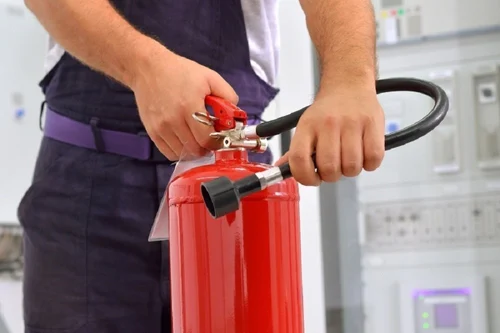
Fire extinguishers are one of those safety tools that people install and then forget about. They sit quietly in a corner of an office, kitchen, warehouse, or car until the day they’re actually needed and that’s exactly when you don’t want to discover that the extinguisher is empty, expired, or under-pressurized. Foam fire extinguishers, in particular, are widely used across homes, businesses, and industrial units in Pakistan because they’re effective against both Class A (solid combustibles like wood and paper) and Class B (flammable liquids like petrol, oil, and paint) fires.
If you own a foam fire extinguisher, refilling it on time isn’t just a legal or compliance matter, it’s a matter of life, property, and safety. This guide walks you through the entire process of foam fire extinguisher refilling in Pakistan, what it costs, and how to know when it’s time to get yours serviced.
What Is a Foam Fire Extinguisher and Why Does It Need Refilling?
A foam fire extinguisher works by releasing a foam-based agent that smothers a fire, cutting off its oxygen supply and cooling the burning material at the same time. This makes it especially useful in kitchens, garages, workshops, and any space where flammable liquids are present.
Over time, several things happen inside the cylinder:
- The foam concentrate can lose its effectiveness or separate.
- Pressure inside the cylinder naturally drops.
- Seals and valves wear out.
- The extinguisher may be partially or fully discharged after a real fire incident, a test, or even accidental use.
Because of this, every foam extinguisher has a recommended service life and refill interval. Ignoring it means that when a fire actually breaks out, the extinguisher may not discharge properly — or at all.
How Often Should You Refill a Foam Fire Extinguisher?
As a general rule followed across Pakistan and most international fire safety standards:
- Annual inspection is recommended for every foam extinguisher, even if it hasn’t been used.
- Refilling is typically required every 1 to 2 years, depending on usage, storage conditions, and manufacturer guidelines.
- Immediate refilling is necessary any time the extinguisher has been discharged, even partially.
- Pressure gauge checks should be done every few months if the needle isn’t in the green zone, it needs attention.
Extreme heat, humidity, and dusty environments (common in many parts of Pakistan) can shorten this interval, so businesses in industrial or coastal areas often need more frequent servicing.
The Foam Fire Extinguisher Refilling Process
Refilling isn’t just about pouring in more foam solution. A proper refill, done by a trained technician, follows several steps to make sure the extinguisher is fully safe and functional again.
1. Inspection and Testing
The technician first checks the cylinder body for rust, dents, or corrosion, examines the hose and nozzle for blockages, and tests the pressure gauge and valve assembly.
2. Depressurizing and Emptying
Any remaining pressure and old foam concentrate are safely released from the cylinder before any refill work begins.
3. Cylinder Cleaning
The internal chamber is cleaned to remove old residue, corrosion particles, or moisture that could affect the new foam agent’s performance.
4. Refilling with Foam Concentrate
Fresh, good-quality AFFF (Aqueous Film-Forming Foam) or similar approved foam concentrate is measured and added according to the extinguisher’s rated capacity.
5. Repressurizing
The cylinder is repressurized with nitrogen or air to the correct working pressure, matching the manufacturer’s specifications.
6. Leak and Function Testing
Before the extinguisher goes back into service, it’s tested for leaks and proper discharge function.
7. Sealing, Tagging, and Documentation
A tamper-proof seal is applied, along with a service tag noting the refill date, technician details, and the next due date. This tag is important — it’s often checked during fire safety audits and inspections.
Foam Fire Extinguisher Refilling Cost in Pakistan
Refilling costs vary based on the extinguisher’s size (measured in kg or litres), the condition of the cylinder, and the service provider. As a general guide for the Pakistani market:
- Small foam extinguishers (2–4 litres): Generally on the lower end of the cost range.
- Medium-sized units (6–9 litres): Mid-range pricing, the most common size for offices and shops.
- Large industrial foam extinguishers (25–50 litres or more): Higher cost due to the volume of foam concentrate and labor involved.
Additional charges may apply if the cylinder needs hydrostatic testing, valve replacement, new hose fittings, or repainting. Because prices can shift depending on foam quality (imported vs. local concentrate) and market rates, it’s best to request a direct quote from a certified provider rather than relying on a fixed number. For current, accurate pricing based on your extinguisher’s size and condition, you can check details directly through <a href=”https://flame-defender.com/fire-extinguisher-refilling/” target=”_blank” rel=”noopener”>Flame Defender’s fire extinguisher refilling service</a>.
Signs Your Foam Fire Extinguisher Needs Refilling
You don’t always have to wait for the annual inspection date. Watch for these warning signs:
- The pressure gauge needle is in the red zone.
- Visible rust, dents, or corrosion on the cylinder.
- The safety pin or tamper seal is broken or missing.
- The service tag shows an expired date.
- The extinguisher feels lighter than it should when lifted.
- Any visible leakage of foam solution around the valve.
If you notice any of these, don’t wait get it inspected right away.
Why Professional Refilling Matters
Some people are tempted to skip professional servicing to save money, but this is a risky shortcut. A poorly refilled extinguisher can fail to discharge, discharge unevenly, or even cause pressure-related accidents. Professional refilling ensures:
- Correct foam-to-water ratio for maximum firefighting effectiveness.
- Properly calibrated pressure levels.
- Compliance with local fire safety regulations, which matters for offices, factories, schools, and commercial buildings during safety audits.
- A documented service history, which is often required by insurance companies and regulatory bodies.
Choosing a Fire Extinguisher Refilling Service in Pakistan
When selecting a provider for foam fire extinguisher refilling in Pakistan, consider:
- Certification and experience – Make sure technicians are trained and the company has a track record of servicing extinguishers correctly.
- Quality of foam concentrate used – Ask whether they use standard-approved AFFF foam.
- Turnaround time – For businesses, minimizing downtime matters, especially if multiple units need servicing.
- On-site vs. pickup service – Many providers now offer pickup and drop-off, or even on-site refilling for bulk industrial clients.
- Proper documentation – Always insist on a service tag and receipt for compliance and record-keeping purposes.
Final Thoughts
A foam fire extinguisher is only as reliable as its last service. Regular inspection and timely refilling aren’t optional extras — they’re what stand between a small, contained fire and a major loss of property or life. Whether you’re a homeowner, a shop owner, or managing a large industrial facility, building a habit of checking and refilling your extinguishers on schedule is one of the simplest ways to stay protected.
Frequently Asked Questions
1. How often should a foam fire extinguisher be refilled?
Generally every 1 to 2 years, or immediately after any use, even partial discharge. Annual inspection is recommended regardless of usage.
2. How do I know if my foam fire extinguisher needs refilling?
Check the pressure gauge — if the needle isn’t in the green zone, or if the service tag has expired, it’s time for a refill.
3. What type of foam is used in fire extinguisher refilling?
Most providers use AFFF (Aqueous Film-Forming Foam) concentrate, which is effective on both solid combustible fires and flammable liquid fires.
4. Is it cheaper to refill a fire extinguisher or buy a new one?
Refilling is almost always more economical than buying new, as long as the cylinder itself passes inspection and isn’t damaged or corroded.
5. Can a foam fire extinguisher be refilled at home?
No. Refilling requires specialized equipment for depressurizing, cleaning, refilling, and repressurizing the cylinder safely — this should always be done by a trained technician.
6. How long does the refilling process take?
A standard refill typically takes anywhere from a few hours to a day, depending on the provider and whether additional repairs like valve replacement are needed.
7. Does a foam fire extinguisher expire?
The cylinder itself can last many years with proper maintenance, but the foam concentrate and pressure need periodic renewal through refilling to remain effective.
8. What documents should I get after a refill service? Always ask for a service tag showing the refill date, technician or company name, and the next due date, plus a receipt for your records.
9. Is refilling required by law for businesses in Pakistan? Fire safety compliance for commercial and industrial buildings generally requires functional, serviced fire extinguishers, and many local authorities and insurance policies check for valid service tags during inspections.
10. Where can I get foam fire extinguisher refilling in Pakistan? Certified fire safety companies across major cities offer this service, including pickup, on-site refilling, and full maintenance packages — for example, through <a href=”https://flame-defender.com/fire-extinguisher-refilling/” target=”_blank” rel=”noopener”>Flame Defender’s refilling service</a>.